AI TL;DR
YouTube is letting creators make Shorts using their own AI likeness. Here's how it works, what tools you'll get, and what this means for content creation.
YouTube AI Avatars: Create Shorts Without Recording Yourself
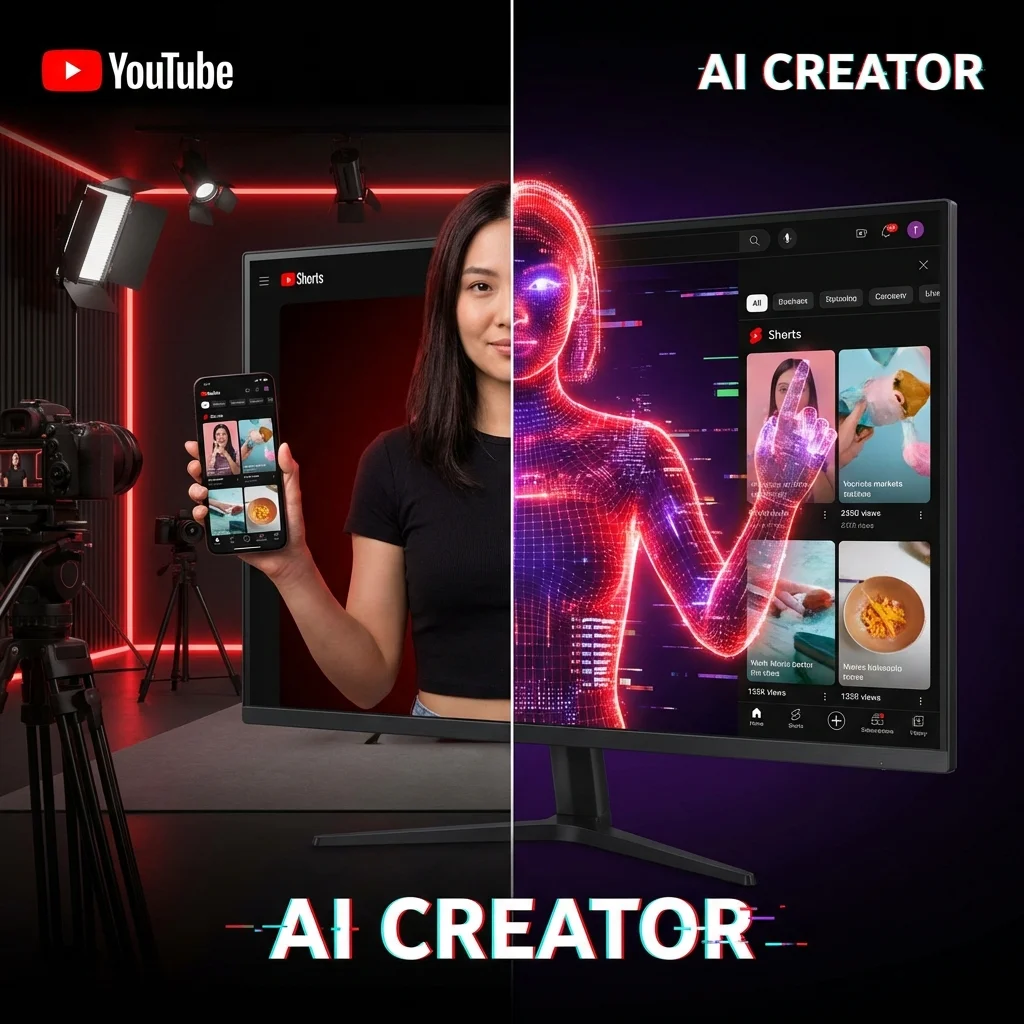
YouTube just announced something wild: creators will soon be able to make Shorts using their own AI likeness.
No camera. No filming. No editing. Just your digital twin creating content for you.
YouTube CEO Neal Mohan revealed the feature in his annual letter, signaling a major shift in how content might be made on the platform.
What's Coming
According to Mohan's announcement:
"This year you'll be able to create a Short using your own likeness, produce games with a simple text prompt, and experiment with music."
He emphasized: "AI will remain a tool for expression, not a replacement."
Why This Matters
Shorts Is Massive
YouTube Shorts now averages 200 billion daily views. It's one of the fastest-growing formats on the platform, competing directly with TikTok and Instagram Reels.
Creator Scale Problem
Top creators struggle to maintain posting frequency. Creating even a 60-second Short requires:
- Scripting
- Setting up camera/lighting
- Recording takes
- Editing
- Caption creation
- Publishing
AI avatars could compress this to: "Create a Short about X topic using my likeness."
What We Know So Far
| Feature | Details |
|---|---|
| Format | AI-generated Shorts |
| Input | Your likeness (face, voice) |
| Control | Creator-driven, not algorithmic |
| Launch | Coming "this year" (2026) |
| Other AI tools | Games via text prompt, music experimentation |
YouTube hasn't shared specific details about:
- How you'll train your likeness
- What controls you'll have over output
- Quality/realism levels
- Usage limits
Protection Against Misuse
YouTube is also investing in tools to prevent unauthorized use of creator likenesses.
Likeness Detection Technology
Launched in October 2025, this technology:
- Identifies AI-generated content featuring creator likenesses
- Detects face and voice cloning
- Allows creators to request removal
So while you can use your own likeness, YouTube is actively fighting others using it without permission.
Existing AI Tools for Shorts
This new avatar feature joins YouTube's growing AI toolkit:
| Tool | Launched | What It Does |
|---|---|---|
| AI Clips | Sept 2025 | Generate video clips automatically |
| AI Stickers | 2024 | Create custom stickers with AI |
| Auto-Dubbing | 2024 | Translate videos with AI voices |
| Dream Screen | 2024 | AI-generated backgrounds |
| Avatar Shorts | 2026 | Create Shorts with your AI likeness |
Fighting AI Slop
Mohan acknowledged the challenge of maintaining quality:
"With this openness comes a responsibility to maintain the high quality viewing experience that people want."
YouTube is building on existing systems that fight spam, clickbait, and "low quality, repetitive content" to prevent an AI slop takeover.
What This Could Mean for Creators
The Upside
- Scale content without burning out
- Test ideas quickly before investing in full production
- Maintain presence when traveling, sick, or busy
- Experiment with formats without commitment
The Concerns
- Authenticity questions — Will viewers trust AI versions?
- Connection erosion — Part of creator appeal is seeing the real person
- Homogenization — Could content become less unique?
- Deepfake risks — Despite protections, misuse will happen
Our Take
This is a polarizing move. On one hand, it democratizes content creation and helps creators scale. On the other, it raises questions about what makes content valuable in the first place.
The creators who use this wisely—for supplements to their main content, not replacements—will likely benefit most. Those who go full AI might find audiences crave the authentic version.
We'll be watching how this rolls out and how audiences react.
Would you watch AI-generated Shorts from your favorite creators? Let us know.