AI TL;DR
Snap just created a standalone company for its AR glasses business. With a consumer launch expected later in 2026, here's everything we know about Specs Inc. and whether Snap can compete with Meta's growing smart glasses empire.
Snap Spectacles 2026: Is Snap's AR Glasses Spinoff Worth Watching?
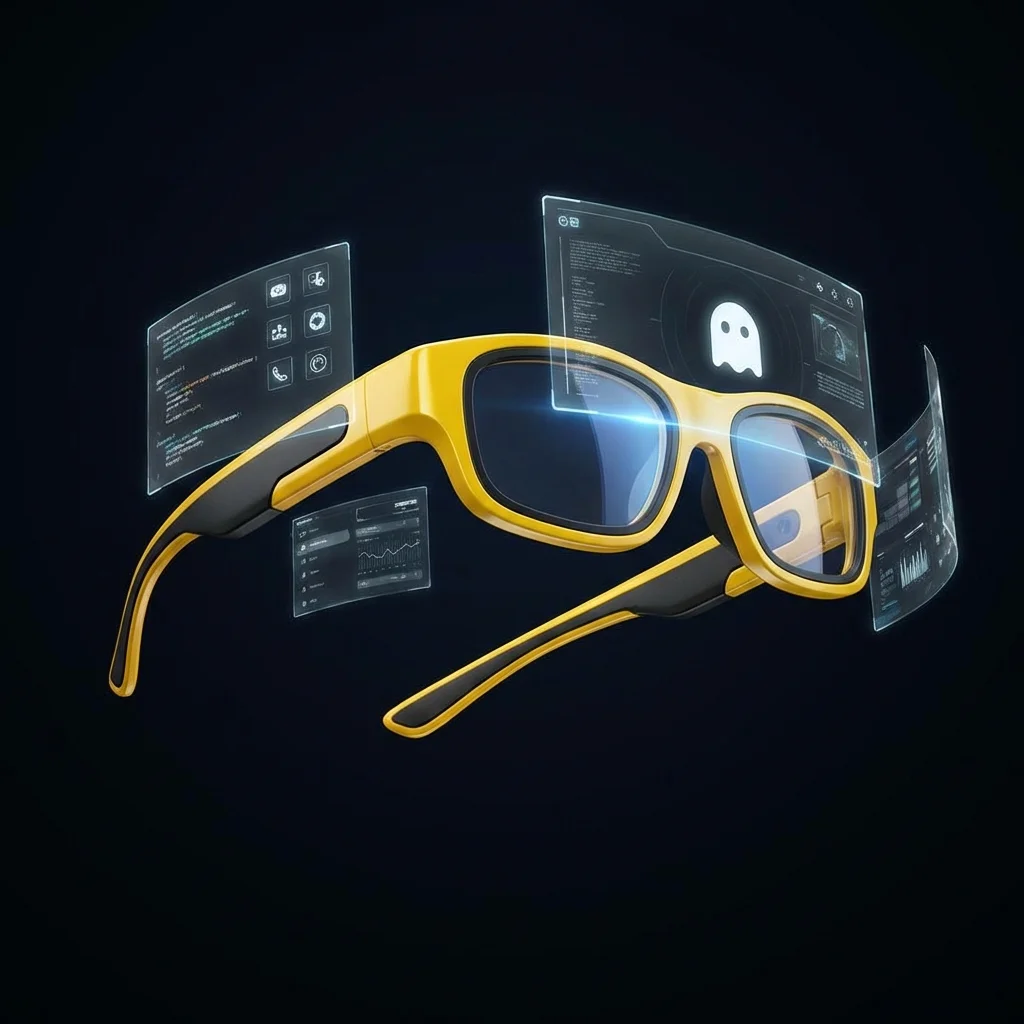
After a decade of development and multiple failed consumer launches, Snap is making its boldest move yet in the AR glasses race. On January 28, 2026, the company announced the creation of Specs Inc.—a standalone subsidiary dedicated entirely to its augmented reality glasses business.
The timing is significant. Meta's Ray-Ban smart glasses are selling faster than the company can make them. Apple's Vision Pro has proven mixed reality headsets are viable (if expensive). And Snap believes its AR glasses can carve out a unique position in between.
But can a company that couldn't make consumer AR glasses work for years suddenly compete with tech giants spending billions? Let's dive into what we know.
What Is Specs Inc.?
Specs Inc. is Snap's new wholly-owned subsidiary focused exclusively on developing and commercializing its Spectacles AR glasses. While technically still owned by Snap Inc., the spinoff structure allows for:
- Greater operational focus on AR hardware development
- Easier fundraising from investors specifically interested in AR
- Partnership flexibility with other companies without involving all of Snap
- Distinct brand identity separate from Snapchat's social media platform
- Dedicated hiring (already 100+ open positions globally)
"Specs are launching at an important time, as artificial intelligence transforms the way that we use our computers."
— Snap announcement
The Spectacles History: A Rollercoaster
Snap has been working on AR glasses technology for over a decade, but their consumer launches have been... mixed.
The Timeline
2016: Spectacles V1
- Camera glasses for recording Snapchat videos
- Sold through viral "Snap Bot" vending machines
- Fun novelty, but limited functionality
2018: Spectacles V2
- Improved cameras and water resistance
- Still primarily video capture
- Modest sales
2019: Spectacles V3
- Two HD cameras for 3D effects
- More premium design at $380
- The last consumer Spectacles until now
2024: Spectacles (Gen 5) Developer Edition
- True AR glasses with see-through display
- $99/month developer rental program
- Not available for consumers
- Full hand tracking and spatial computing
2026: Consumer Launch (Expected)
- Lighter, smaller form factor promised
- Consumer pricing TBA
- Full Snap OS 2.0 with AI features
The five-year gap between consumer products (2019-2026) shows how challenging AR glasses development has been—even for a company fully committed to the technology.
What Makes Spectacles Different?
Unlike Meta's Ray-Ban smart glasses (which are AI glasses with cameras and speakers but no display) and Apple's Vision Pro (which is a full mixed reality headset), Snap Spectacles occupy a middle ground: true AR glasses with see-through displays in a glasses form factor.
Key Features
Spatial AR Display
- See-through lenses with projected imagery
- Digital content overlaid on the real world
- Not a screen strapped to your face—actual augmented reality
Hand Tracking
- Four cameras enable hand gesture recognition
- Interact with AR content using natural hand movements
- No controllers needed
Snap Spatial Engine
- Software that powers AR projection and spatial computing
- Maps and understands your physical environment
- Anchors digital objects to real-world locations
Snap OS 2.0
- Dedicated operating system for the glasses
- Includes web browser (you can visit websites in AR)
- AI-powered "Spatial Tips" for contextual information
- Travel mode for translating signs and menus
Multiplayer AR
- Multiple Spectacles can synchronize
- See the same AR content in the same physical space
- Enables collaborative gaming and shared experiences
Hands-On Impressions from CES 2026
TechCrunch's Lucas Ropek got a demo at CES and reported:
The Good:
- Gaming (Avatar: The Last Airbender) was "quite a lot of fun"
- Collaborative AR experiences with synchronized glasses work well
- Spatial Tips AI provides useful contextual information
- Web browsing in AR is surprisingly functional
The Concerns:
- Weight is still an issue (~8 ounces—heavier than regular glasses)
- Tendency to heat up during extended use
- Physical hardware design "expected to change before launch"
- No firm release date announced
Snap says the consumer version will be "lighter, have a much smaller form factor, and have more capabilities" than the developer model—but until we see the final product, these remain promises.
The Meta Problem
Snap's biggest challenge isn't technology—it's Meta.
Meta has:
- $200+ billion in annual revenue to fund R&D
- Partnerships with Ray-Ban and Oakley for stylish designs
- Consumer products already selling (Ray-Ban Meta, Ray-Ban Display)
- Growing demand (reportedly can't keep up with orders)
- Llama AI integration across all products
- 10+ years of VR/AR investment (they bought Oculus in 2014)
Snap has:
- ~$4 billion in annual revenue (declining)
- No major eyewear partnerships announced
- No consumer AR glasses shipping since 2019
- Niche developer community building apps
- Snapchat AI (capable but less advanced than Llama)
According to The Information, Snap has been considering this spinoff specifically to raise capital and compete with Meta's massive spending advantage. Specs Inc. could potentially bring in investors who want AR exposure without buying Snap stock.
The Technology Approach
Meta's Philosophy: AI Glasses First
Meta's approach is incremental:
- Start with camera + audio glasses ($299 Ray-Ban Meta)
- Add small display + EMG control ($799 Ray-Ban Display)
- Eventually launch full AR (Orion prototype, consumer version TBD)
This gives them products shipping today while building toward true AR.
Snap's Philosophy: True AR From the Start
Snap is going straight to true AR:
- See-through spatial display from day one
- Full hand tracking and gesture control
- Complete AR operating system
This is more ambitious but means Snap has nothing shipping while Meta gains market share.
Potential Use Cases
What Spectacles Could Enable
Immersive Gaming
- Collaborative AR games with friends
- Games that use your actual environment
- Hands-free, gesture-controlled gameplay
Navigation
- AR directions overlaid on streets
- Translation of signs and menus in real-time
- Contextual information about landmarks
Productivity
- Multiple virtual screens in your field of view
- Collaborative work in shared AR spaces
- Hands-free documentation and notes
Communication
- AR video calls showing your environment
- Shared AR experiences across locations
- Social features integrated with Snapchat
Shopping
- AR try-on for products
- Contextual product information
- Price comparison in real-time
The "Present Moment" Pitch
Snap's marketing emphasizes that AR glasses keep you "present in the moment" unlike phones and computers:
"They superimpose digital tools over your view of the real world."
This echoes Meta's messaging with Ray-Ban Display—but Snap is going further with full spatial AR rather than a small peripheral display.
When Can You Buy Them?
The honest answer: We don't know.
Snap says "later this year" (2026) but hasn't provided:
- Specific release date
- Pricing
- Retail availability
- Final hardware specs
- Battery life
- Consumer warranty/support details
Given Snap's history of delays in this category, some skepticism is warranted. The CES demo unit was described as "cumbersome" and "heating up"—not the polish you'd expect from a product about to ship.
Investment and Hiring
Specs Inc. is already:
- Hiring for 100+ roles globally
- Positions across hardware, software, and go-to-market
- Roles in AR/VR, AI, optics, and embedded systems
Snap hasn't announced specific investors for the subsidiary, but the spinoff structure makes it easier to raise dedicated AR funding without those investors needing to bet on Snapchat's overall business.
Should You Wait for Spectacles or Buy Meta Now?
Buy Meta Ray-Ban Glasses Now If:
- You want AI glasses that work today
- Style and all-day wearability matter
- You prefer camera + AI without a display
- Budget is $299-$799
- You're in the Apple/Meta ecosystem
Wait for Snap Spectacles If:
- True spatial AR is what you want
- You're a developer building AR apps
- You're already in the Snapchat ecosystem
- You're willing to be an early adopter of unproven tech
- You want collaborative AR gaming experiences
The Realistic Take
For most consumers, Meta's products are the better choice right now:
- Ray-Ban Meta Gen 2 ($299-$379): Best value AI glasses
- Ray-Ban Display ($799): Most advanced consumer-available option
Snap Spectacles could be revolutionary when they ship—but they're still vaporware for consumers. Wait for actual reviews, real battery life numbers, and consumer pricing before getting excited.
What to Watch For in 2026
Key Milestones:
- Official consumer pricing announcement
- Specific launch date confirmation
- Final hardware design reveal
- Battery life and weight specifications
- Retail/online availability details
- Review unit distribution to press
- Developer app ecosystem growth
- Any major partnership announcements (eyewear brands?)
Red Flags to Watch:
- Further delays beyond "late 2026"
- Pricing above $500 (mass market barrier)
- Weight above 6 ounces (comfort threshold)
- Battery life under 2 hours
- Limited app ecosystem at launch
The Bottom Line
Snap's spinoff of Spectacles into Specs Inc. is a bold bet on AR's future. The company believes that true spatial AR glasses—not just smart glasses with AI—represent the next computing platform.
The bull case: Snap has been quietly building AR technology for a decade. They have deep expertise in spatial computing, Snap Lenses, and AR content creation. If they nail the hardware, they could leapfrog Meta's incremental approach.
The bear case: Snap is going up against Meta with a fraction of the resources. They haven't shipped consumer AR glasses since 2019. The demo hardware still has significant issues. And Meta is already establishing market dominance.
Our take: The Specs Inc. spinoff is the right strategic move. Giving the AR glasses team independence, fundraising ability, and brand identity makes sense. But success depends entirely on execution—something Snap has struggled with in hardware.
We're cautiously optimistic but recommend waiting for actual reviews before considering a purchase.
Are you excited about Snap Spectacles or sticking with Meta's offerings? What features would convince you to switch to true AR glasses? Share your thoughts below.