AI TL;DR
The former Apple design chief is building AI hardware for OpenAI. Here's what we know about the screenless device and its 2026 launch. This article explores key trends in AI, offering actionable insights and prompts to enhance your workflow. Read on to master these new tools.
OpenAI's "Sweetpea": The Jony Ive AI Device Coming in 2026
OpenAI isn't just software anymore.
Sam Altman and Jony Ive—the legendary designer behind iPhone, iMac, and Apple Watch—are building AI hardware together. The first device is codenamed "Sweetpea" and it's coming late 2026.
What We Know
The Partnership
| Detail | Info |
|---|---|
| Designer | Jony Ive + LoveFrom studio |
| Company | io Products, Inc. (acquired by OpenAI) |
| Team | Former Apple engineers |
| Timeline | Unveiling H2 2026, launch possibly 2027 |
| Philosophy | Screenless, reduce digital noise |
io Products Acquisition
OpenAI acquired io Products, Inc.—a hardware company founded by Ive and other ex-Apple engineers specifically to build AI-integrated devices.
This isn't a collaboration. OpenAI now owns the hardware effort.
The "Sweetpea" Device
Form Factor
Based on leaks:
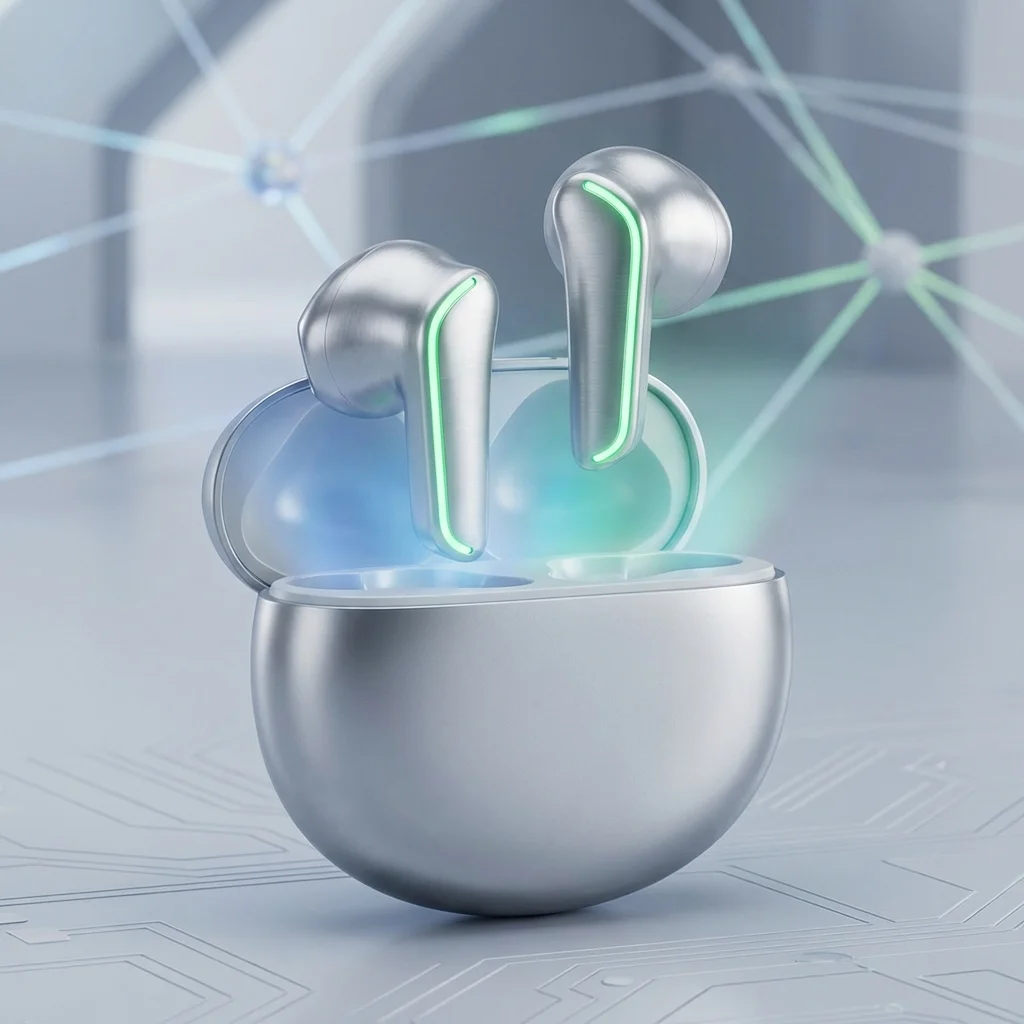
- Wearable — ear-worn like AirPods
- Two components — Pill-shaped, rest behind ears
- Case — Egg-shaped charging/storage
- No screen — Audio-first interface
Design Philosophy
Ive and Altman reportedly developed a prototype focused on:
- Reducing digital noise — No constant notifications
- Ambient intelligence — AI available without device obsession
- Screenless interaction — Voice and audio primary
Think: an AI assistant you wear, not stare at.
The Timeline
What's Been Confirmed
- January 2026: OpenAI issued RFP for US-based manufacturing
- H2 2026: Unveiling expected (Chris Lehane, OpenAI)
- 2027: Market release possible
Why The Wait?
Hardware is hard:
- Manufacturing partnerships need time
- Certification processes (FCC, etc.)
- Supply chain logistics
- Software optimization for new form factor
Beyond Sweetpea
The Full Device Vision
Rumors point to up to five AI devices by Q4 2028:
| Device Type | Purpose |
|---|---|
| Ear device ("Sweetpea") | Always-available AI assistant |
| Pin | Quick access, public AI |
| Pen | Note-taking with AI |
| Smart glasses | Visual AI overlay |
| Desktop speaker | Home AI presence |
Why Multiple Devices?
Different contexts need different form factors:
- Working → Desktop speaker
- Commuting → Earbuds
- Meetings → Discreet pin
- Creative work → AI pen
OpenAI's Hardware Strategy
Why Build Hardware?
| Reason | Explanation |
|---|---|
| User experience | Control the full stack |
| New interfaces | Voice/audio beyond chat |
| Distribution | Direct consumer relationship |
| Data | First-party usage insights |
| Competition | Apple, Google have hardware + AI |
The Apple Parallel
Apple dominated mobile because they controlled hardware + software. OpenAI may be pursuing the same for AI devices.
Audio Model Development
Enhanced Voice Capabilities
OpenAI is reportedly improving audio models specifically for hardware:
- Lower latency voice interaction
- Better ambient noise handling
- Always-on listening optimization
- Natural conversation flow
These improvements benefit the current ChatGPT Voice Mode too, but hardware is the target.
The Jony Ive Factor
Why Ive Matters
Jony Ive doesn't do small projects. He defined:
- iMac — Revived Apple
- iPod — Changed music industry
- iPhone — Changed everything
- Apple Watch — Created smartwatch category
If Ive is building AI hardware, it's meant to be iconic, not incremental.
LoveFrom Studio
Ive's design company (LoveFrom) brings:
- Elite industrial design talent
- Experience with premium consumer hardware
- Obsession with materials and feel
- Track record of category-defining products
Questions Remaining
Unknowns
| Question | Why It Matters |
|---|---|
| Pricing | Consumer or premium? |
| Subscription | Included in ChatGPT Plus? |
| Privacy | Always-on listening concerns |
| Battery life | Wearable needs all-day power |
| Compatibility | Works with phones how? |
The Privacy Challenge
An always-listening AI earpiece raises questions:
- What's recorded?
- Where's data stored?
- Who has access?
OpenAI will need to address this carefully.
Competition
AI Hardware Landscape
| Device | Company | Status |
|---|---|---|
| Humane AI Pin | Humane | Struggling |
| Rabbit R1 | Rabbit | Mixed reviews |
| Meta Ray-Bans | Meta | Growing |
| Apple AI glasses | Apple | Rumored |
| Sweetpea | OpenAI | 2026-2027 |
The AI hardware category is nascent. Early entrants (Humane, Rabbit) have struggled. Can OpenAI/Ive do better?
Our Take
This is the most ambitious AI hardware play yet.
Humane and Rabbit tried to build AI devices from scratch. Meta has established hardware but struggles with AI positioning. Apple is moving slowly.
OpenAI has:
- The best AI models (arguable but strong case)
- The best hardware designer of a generation
- Massive capital ($64B+ raised)
- 800M+ ChatGPT users to convert
If any company can make AI hardware work, it's this combination.
The big question: Do people actually want AI wearables, or is the phone good enough?
We'll find out in late 2026.
Would you wear an AI device? What would convince you to buy one?